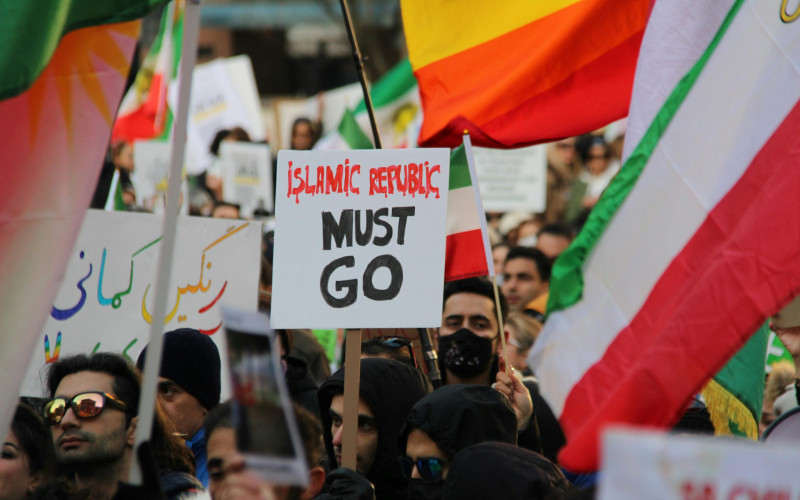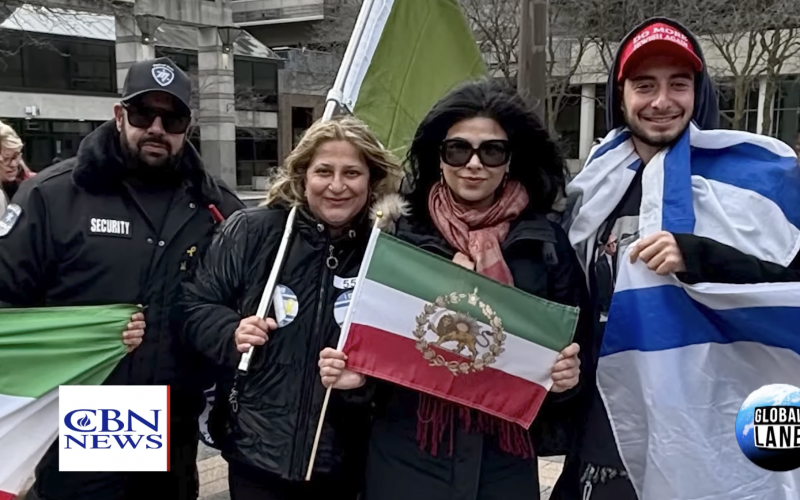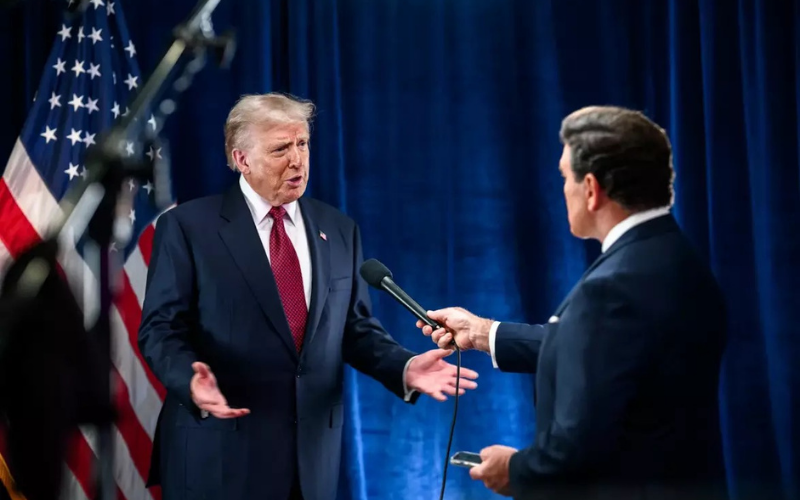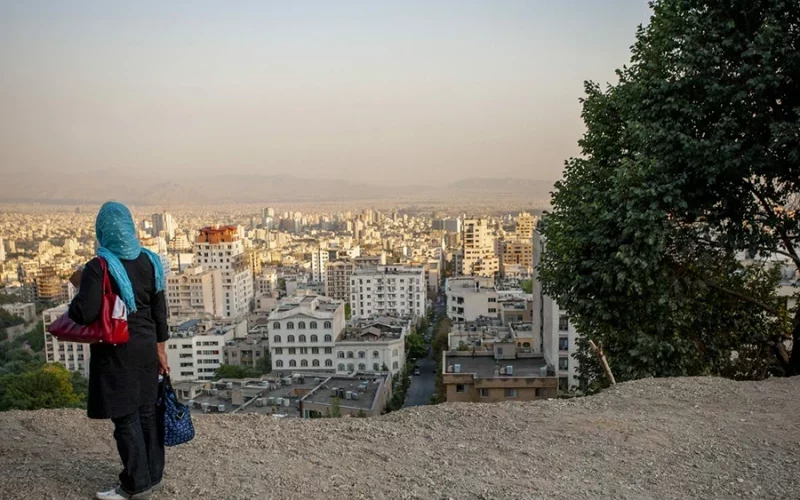
Iran (MNN) — U.S. President Donald Trump vows to intervene if needed on behalf of protesters in Iran. His threat carries new weight after the U.S. capture of Venezuelan President Nicolas Maduro this weekend.
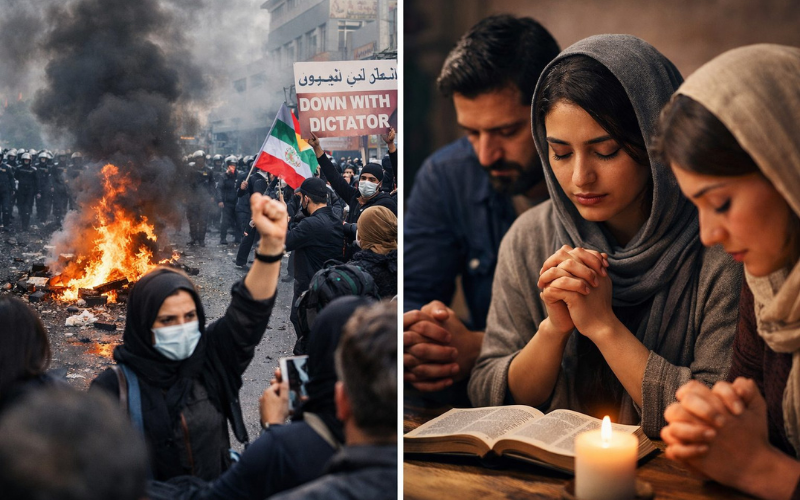
Protests began in Iran’s capital last week and quickly spread to other cities when the Iranian currency hit record lows.
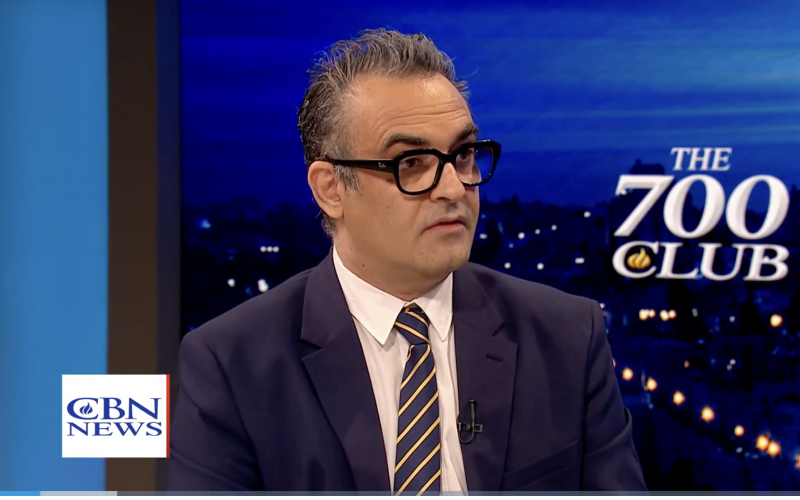
“The big thing I am watching right now is whether this stays a contained economic unrest or [if] this will be snowballing into something much broader,” Heart4Iran’s Edwin Abnous says.
“When the merchants and students and everyday families join and march, that is when you need to pay attention.”
Though smaller in scale, current demonstrations pose the biggest threat to Iran’s regime since the 2022 Mahsa Amini protests. “They’re (the regime is) trying to contain the protests without pouring gasoline on the fire,” Abnous says.
“If they come down brutally on what starts as an economic frustration, it can quickly morph into something much deeper, which they don’t want to happen.”
Rising spiritual hunger
Heart4Iran shares the hope of Jesus with people desperate for change. More about that here.
With over 100 active partners, Heart4Iran helps new believers and growing churches, addresses current issues, and develops leaders who cultivate the spiritual growth of the Church among Persian speakers.
“In times of unrest like this, the felt spiritual need skyrockets. People are shaken; they’re looking for something bigger than political solutions. They’re looking for real calm, lasting hope,” Abnous says.
“This is where we are ready to share the Good News of the Gospel and help them with their traumas.”
Keep Iran’s Christians in your prayers. Ask the Lord to protect believers and give them wisdom.
Iran’s regime “wants to deflect blame from its own economic failures,” Abnous explains, and believers make a convenient scapegoat.
“Religious minorities, particularly Christian converts from Islam and those involved in house churches, are routinely portrayed as a national security threat because of perceived ties to Western Christianity.”
Share
STAY IN THE LOOP