Author
Edwin Keshish-Abnous
On 28 April 2026, the United Arab Emirates (UAE) announced its decision to leave the Organization of the Petroleum Exporting Countries (OPEC) and the wider OPEC+ alliance from 1 May 2026. The step, reported by UAE state media and widely reported internationally, represents a major development for one of OPEC’s most long-standing members, and a key Gulf oil producer.[1]
Background and stated causes
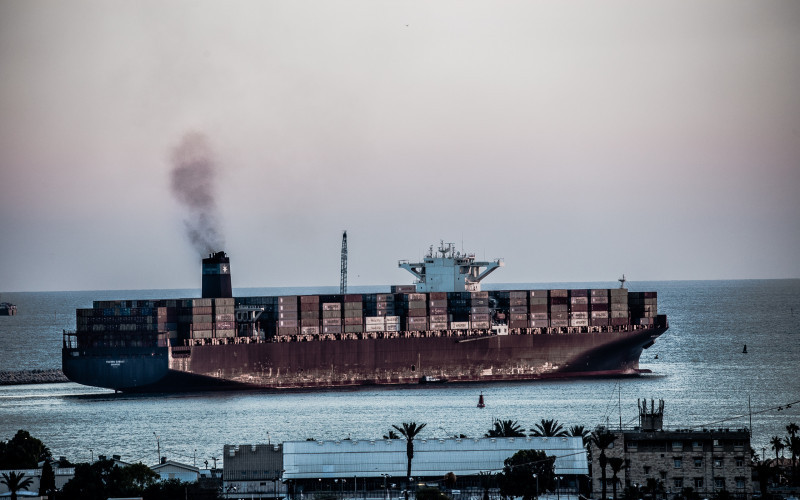
The UAE said the move was a strategic decision in line with the country’s long-term economic vision and the need to exercise greater flexibility in output to meet growing global energy demand. Officials cited frustrations with OPEC production quotas that had crippled the country’s ability to optimize its expanded capacity (of roughly 4-5 million barrels per day). The announcement comes amid ongoing regional tensions including the Iran conflict and disruptions in the Strait of Hormuz.
Impact on Oil Markets Potential
Production Freedom:
Leaving OPEC frees the UAE from the club’s production quotas, potentially opening the door for increased production in the future as shipping constraints loosen.
Pricing Pressure:
The exit could slowly weaken OPEC+ coordination, contributing to global supply and driving prices down over time. The war has supported Brent crude, which has traded in recent weeks in the $110-120 range.
Infrastructure advantage:
The UAE has pipelines to Fujairah on the Gulf of Oman, which partially bypass the Strait of Hormuz, making its exports less vulnerable.
Analysts say this poses additional challenges for OPEC+ amid competition from non-OPEC producers such as the United States
How This Puts the United States in a Better Position
President Donald Trump called the UAE decision “great” and said it could help bring down oil and gasoline prices for American consumers.
Key strategic benefits to the U.S. are:
- More supply, lower prices, economic relief: A stronger UAE and a weaker OPEC+ could add to global oil supply and help cool prices. It’s good for the U.S. economy, lowers costs for businesses and households, and helps deliver lower inflation, a priority for the Trump administration.
- Lower Iranian Revenue: Sanctions, export problems and naval disruptions are already impacting Iran’s oil revenues, and any further drop in oil prices limits Iran’s oil revenues even further. This limits Tehran’s capacity to fund its regional activities or keep its economy afloat during the war.
- Strengthening Gulf Alliances: The move underscores diverging interests among the Gulf Cooperation Council and increasing convergence between the UAE and U.S. priorities. It builds relationships with important allies who have worries about Iran and favor market-based energy policies rather than cartel-style coordination.
- More leverage for U.S. Energy :A more fractured OPEC+ is good for the U.S., the world’s largest oil producer. More supply flexibility in the market takes a bit of the price control away from the cartel and provides Washington with more flexibility in energy diplomacy and sanctions policy.
- Geopolitical momentum: The UAE’s independent stance, despite ongoing U.S. naval operations and pressure on Iran, suggests wider Gulf backing for pragmatic policies that align with American priorities of energy security and regional stability.
Regional and Geopolitical Consequences
The decision underscores growing rifts in the Gulf, especially with Saudi Arabia, OPEC’s de facto leader. It could make other producers re-evaluate their commitment to collective quotas. The development piles on economic pressure on Iran, which already is grappling with shipping and export difficulties.
Outlook
Current disruptions in Hormuz will have little immediate impact on global supply, but in the longer term they could shift power toward more flexible, market-driven production. In the coming weeks, the markets will be watching how production decisions, conflict developments and shipping routes play out.
This episode is a microcosm of the complex interplay of energy policy, geopolitics and economics. The UAE’s exit appears to make a more favorable environment for U.S. interests in energy prices, alliance cohesion and strategic pressure on adversaries.
[1] Maha El Dahan reports for Reuters that the UAE is departing OPEC, significantly impacting the global oil producers’ group. The article, published April 28, 2026, details the immediate blow this decision deals to the organization. For the full story, visit Reuters.
Share
STAY IN THE LOOP